DIY & Home Improvement
Welcome to our comprehensive guide on DIY & home improvement! Whether you're a novice or a seasoned pro, this article features essential tools, materials, and tips for embarking on your next project. Let’s get started!
Key Takeaways
- Identify the right tools for your specific project needs.
- Gather materials that fit your style and budget.
- Ensure safety and proper techniques to maximize efficiency.
- Explore multiple resources to gain inspiration and boost confidence.
Understanding the Basics of DIY
DIY, or "Do It Yourself," is a fantastic way to add a personal touch to your home while saving money. From small crafts to major renovations, understanding your tools and materials is crucial.
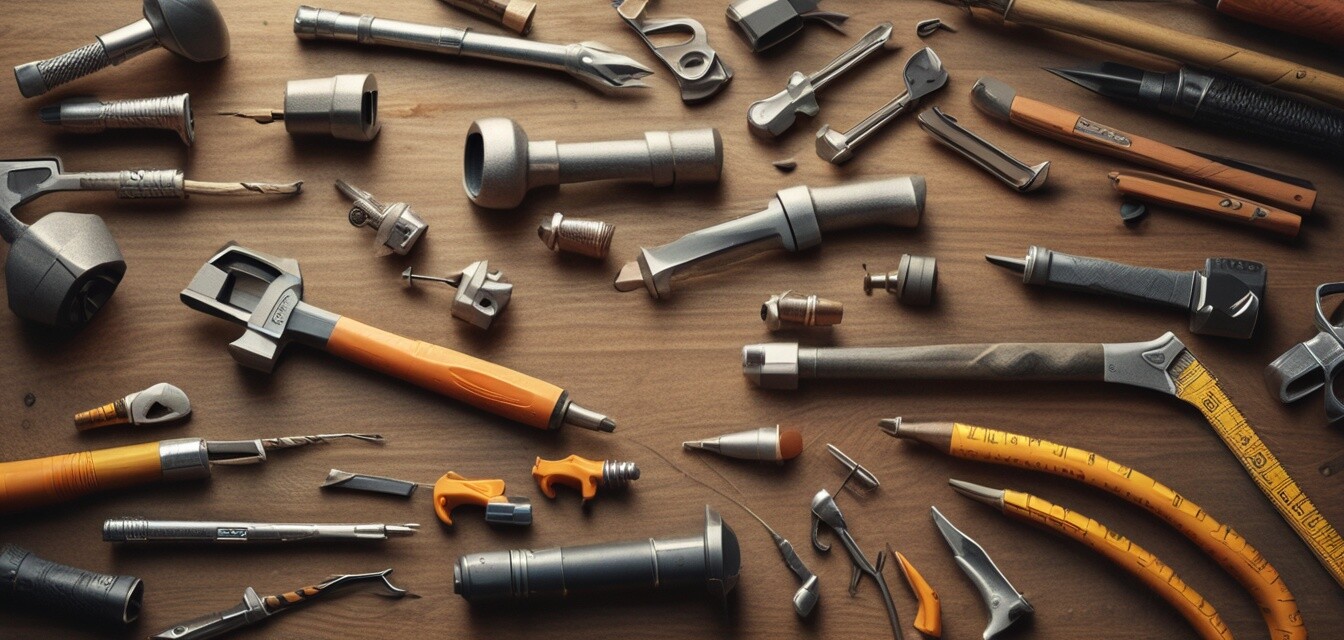
Essential Tools for Home Improvement
| Tool | Purpose | Best For |
|---|---|---|
| Hammer | Driving nails into wood | Beginner carpentry |
| Screwdriver Set | Tightening or loosening screws | Furniture assembly |
| Measuring Tape | Measuring lengths | All home projects |
| Power Drill | Drilling holes and driving screws | Intermediate to advanced projects |
Must-Have Materials
Choosing the right materials is essential when planning a DIY project. Below is a list of common materials:
- Wood (plywood, lumber, etc.)
- Paint or stain
- Drywall
- Insulation
- Fasteners (nails, screws, etc.)
Tips for Beginners
Begin with simple projects
If you are new to DIY, start with projects that don’t require extensive experience, such as:
- Creating simple shelves
- Painting a room
- Building a garden planter
Finding Inspiration
Discovering where to find inspiration is vital to a successful DIY project. Check out these resources:
- Home improvement magazines
- YouTube tutorials
- Online platforms like Pinterest
Project Planning and Preparation
Before diving into your DIY project, careful planning will save you time and resources. Here’s how to prepare:
- Define your project scope.
- Create a budget.
- Compile a list of tools and materials needed.
- Schedule time for your DIY project according to the complexity.
Safety Tips
Safety should always be your priority in any DIY project. Here are some essential safety tips:
- Always wear protective gear (gloves, goggles).
- Ensure your workspace is clean and organized.
- Be cautious when using sharp tools.
Examples of DIY Projects
Not sure what to create? Here are some examples:
| Project | Time Required | Skill Level |
|---|---|---|
| DIY Planter Box | 2-3 hours | Beginner |
| Garden Pathway | 1-2 days | Intermediate |
| Home Office Desk | 3-4 hours | Advanced |
Additional Resources
For more information on enhancing your living spaces, check out our other categories:
- Garden Tools
- Home Storage Solutions
- Interior Décor
- Kitchen Essentials
- Outdoor Furniture
- Outdoor Lighting
Conclusion
DIY home improvement projects are a rewarding way to invest in your home while boosting your skills. By understanding the tools, materials, and safety precautions, you can embark on incredible creative journeys. Don’t hesitate to explore our other areas at Home Haven Finds for more inspiration!
Pros
- Personal satisfaction from creating something yourself
- Possible cost savings compared to hiring professionals
- Flexibility to customize as per your preference
Cons
- Can be time-consuming
- Potential for mistakes if inexperienced
- Safety hazards if not careful